From the African savanna to the deep ocean, every animal in the library is tagged with the regions where it lives. Explore the continents and oceans, see who lives nowhere else, and learn the habitats that shape them.
Land regions
9
Oceans and seas
6
Countries and islands
5
Wild animals in just one region
51
On land
Continents and regions
Biggest first. Each card shows what the animals there eat, the countries and islands inside it, and a few animals to meet.
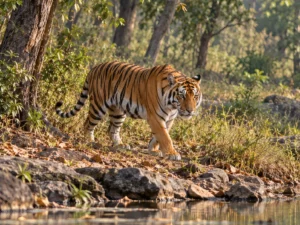
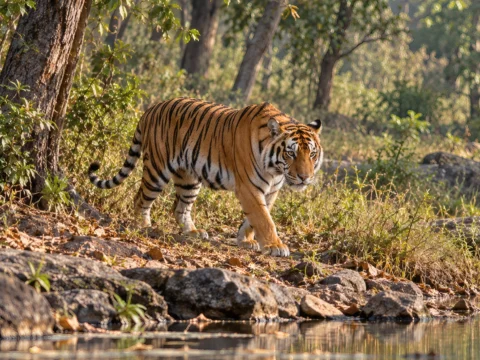
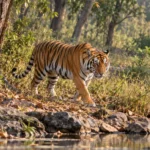
Asia is the largest continent, stretching from Arctic tundra to tropical rainforests and coral reefs. Tigers, red pandas, giant pandas and Asian elephants are among its best-known animals.
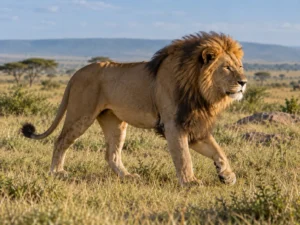
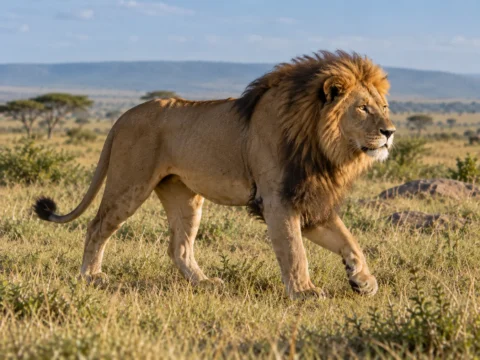
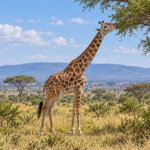
Africa is home to the largest herds of big animals left on Earth, from elephants and giraffes on the savanna to gorillas in the rainforest. Its habitats range from the Sahara Desert to wetlands, mountains and coral coasts.
North America stretches from the Arctic to the tropics, with tundra, forests, prairies, deserts and swamps. Bison, bald eagles, grizzly bears and alligators all live here.
South America holds the Amazon, the world’s largest rainforest, along with the Andes mountains and wide grasslands. Jaguars, sloths, llamas, anacondas and macaws live here.
Europe’s forests, mountains, wetlands and coasts are home to animals such as red deer, brown bears, wolves and hedgehogs, along with many migrating birds.
Oceania includes Australia, New Zealand, New Guinea and thousands of Pacific islands. Many of its animals, like kangaroos and kiwis, are found nowhere else.
Central America is a narrow land bridge between North and South America, packed with rainforests, cloud forests and coral reefs. Jaguars, sloths, toucans and colorful tree frogs live here.
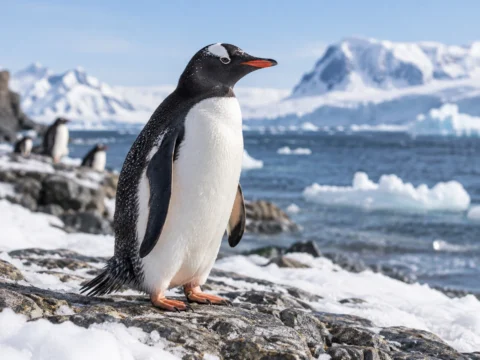
Antarctica is the coldest and windiest continent, covered almost entirely by ice. Its animals, such as penguins and seals, depend on the rich Southern Ocean around it for food.
The Pacific is the largest and deepest ocean, covering about a third of Earth’s surface. It holds the Great Barrier Reef and the Mariana Trench, and animals from sea otters to blue whales.
The Indian Ocean is the warmest ocean, with coral reefs, mangroves and open waters that are home to sea turtles, dugongs, whale sharks and countless reef fish.
The Atlantic Ocean lies between the Americas, Europe and Africa and is the second-largest ocean. Whales, dolphins, sharks, sea turtles and seabirds cross it on long migrations.
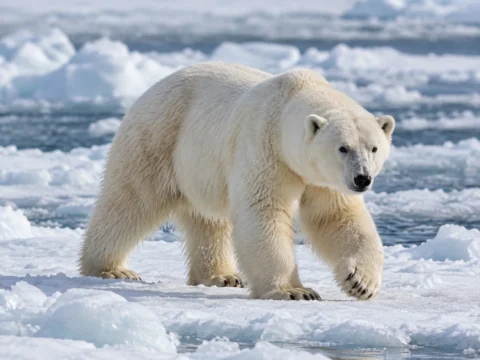
The Arctic Ocean is the smallest and coldest ocean, covered by sea ice for much of the year. Polar bears, walruses, seals, narwhals and belugas live in and around it.
This region covers the lands around the Mediterranean and Caspian seas, from southern Europe and North Africa to western Asia, with dry hills, scrubland and long coastlines.
Travel the globe with ten animals. Pick a place where each one lives in the wild.
?
Where in the world?
Pick the place where each animal lives in the wild. Ten quick questions: ready to travel?
Only here
Found in just one region
These wild animals are recorded in a single region in our library. Long isolation, as in Australia, or one special habitat, like the bamboo forests of the giant panda, is usually why. Farm animals and pets are left out.
In the ocean, 7 of 25 animals are invertebrates (28%), against 4% across the library.
In Oceania, 22 of 67 animals are birds (33%), against 21% across the library.
In Central America, 11 of 25 animals are birds (44%), against 21% across the library.
In South America, 24 of 82 animals are birds (29%), against 21% across the library.
Tap a number to open that list, already filtered.
Habitats 101
The main habitats on Earth
A region is a place on the map; a habitat is the kind of home an animal needs. Most regions hold several.
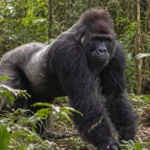
Tropical rainforests are hot and wet all year. They cover a small slice of the land but hold about half of all land plants and animals. Meet: Gorilla, Toco Toucan, Anaconda, Tarsier
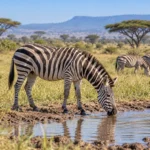
Savannas are warm grasslands dotted with trees, with a long dry season. Huge herds of grazers draw the big hunters. Meet: Giraffe, Zebra, Cheetah, Elephant
Deserts get less than about 10 inches (25 cm) of rain a year, and can be scorching or freezing. Their animals save water and hide from the heat. Meet: Camel, Gila Monster, Scorpion, Rattlesnake
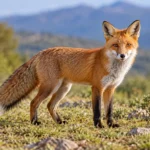
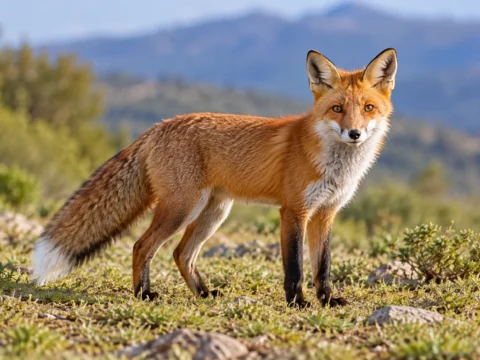
Temperate forests have warm summers and cold winters. Many of their animals store food, hibernate or migrate. Meet: Deer, Fox, Owl, Squirrel
Polar regions and tundra are freezing and treeless. Thick fur, feathers and fat keep their animals warm. Meet: Polar Bear, Penguin, Walrus, Seal
Mountains get colder and the air gets thinner the higher you climb, so their animals need warm coats and strong lungs. Meet: Yak, Red Panda, Puma
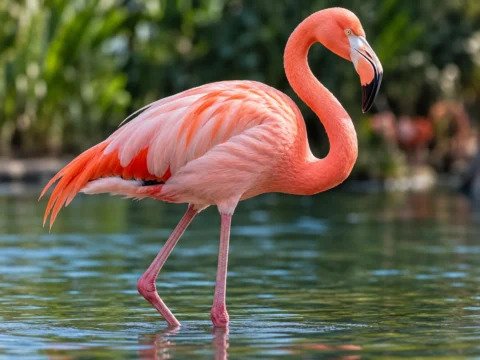
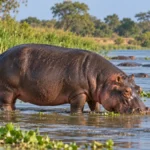
Rivers, lakes and wetlands are fresh or salty shallows full of fish, frogs and insects, and the animals that eat them. Meet: Hippopotamus, Crocodile, Frog, Flamingo
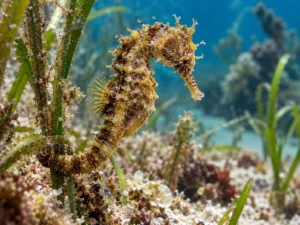
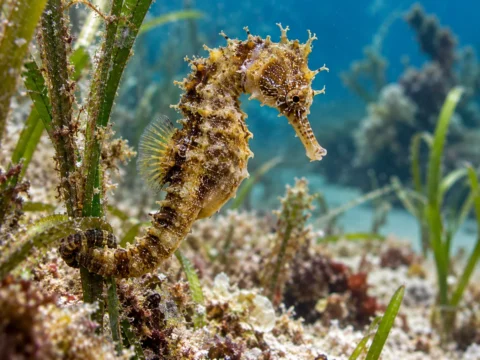
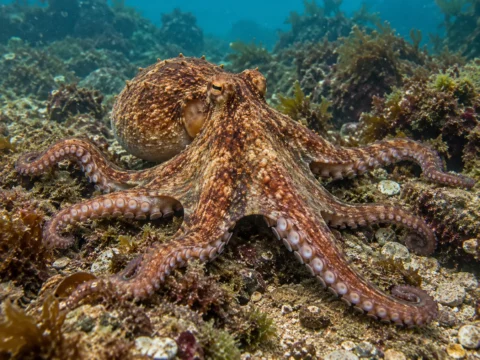
Coral reefs grow in warm, shallow seas. They cover less than 1 percent of the ocean floor but shelter about a quarter of all sea life. Meet: Seahorse, Octopus, Turtle
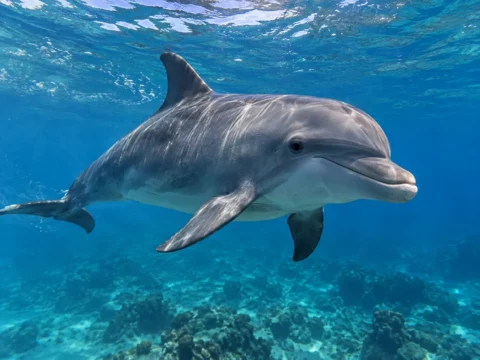
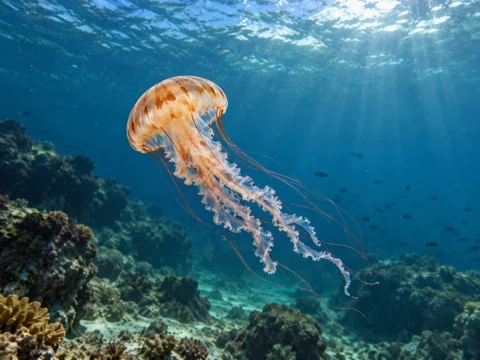
Open ocean and deep sea are the biggest habitat of all. Down deep it is dark and cold, and some animals make their own light. Meet: Sperm Whale, Dolphin, Jellyfish, Shark
Good questions
Questions people ask
Which continent has the most kinds of animals?
South America, home to the Amazon rainforest, is usually ranked the richest continent for wildlife, and Brazil the richest country. In general, the closer to the equator, the more kinds of animals live there.
Why are Australia's animals so different?
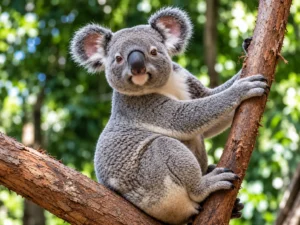
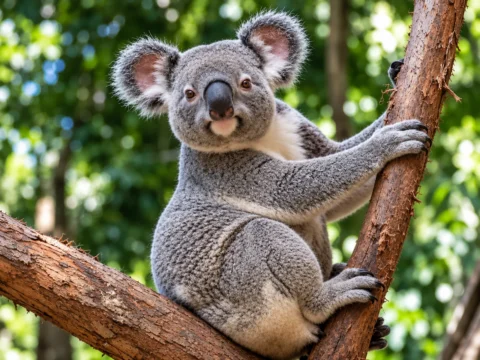
Australia has been cut off from the other continents for more than 35 million years, so its animals went their own way. That is why it has so many marsupials, like the kangaroo and the koala, and egg-laying mammals like the platypus.
Do any animals live in Antarctica?
Yes, mostly along the coast and in the sea around it: penguins, seals, whales and seabirds. The largest animal that lives its whole life on Antarctic land is a wingless midge less than half an inch long.
What does "endemic" mean?
An endemic animal lives naturally in one place and nowhere else. Lemurs like the indri are endemic to Madagascar, and the kiwi to New Zealand. The “found in just one region” list above is a looser version: one whole region rather than one island or country.
Why are some animals listed in so many regions?
Some range across the world on their own, like eagles, seals and sea turtles. Farm animals and pets, like cows and cats, live wherever people keep them, which is why they are left out of the lists above.


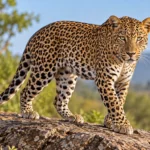


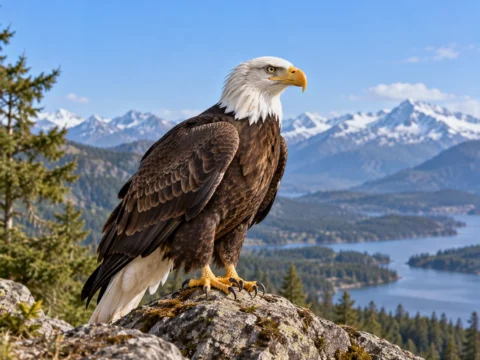






















 Eagle
In 7 of 10 regions
Africa, Asia, Central America, Europe, North America, Oceania, South America
 Eel
In 7 of 10 regions
Africa, Asia, Europe, North America, The Ocean, Oceania, South America
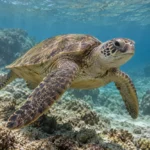 Turtle
In 7 of 10 regions
Africa, Asia, Europe, North America, The Ocean, Oceania, South America
 Kite
In 7 of 10 regions
Africa, Asia, Central America, Europe, North America, Oceania, South America
 Kingfisher
In 7 of 10 regions
Africa, Asia, Central America, Europe, North America, Oceania, South America
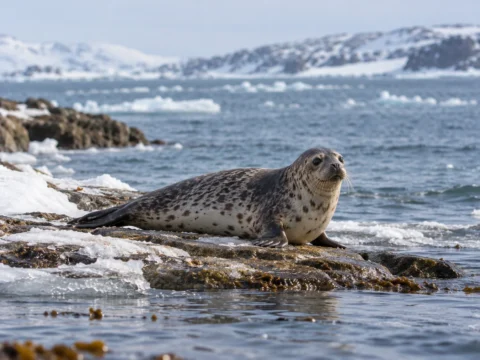
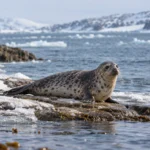 Seal
In 7 of 10 regions
Africa, Antarctica, Asia, Europe, North America, Oceania, South America
 Guppy
In 7 of 10 regions
Africa, Asia, Central America, Europe, North America, Oceania, South America
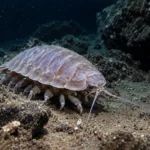 Isopod
In 7 of 10 regions
Africa, Asia, Europe, North America, The Ocean, Oceania, South America