Water, Land, and the Place Between
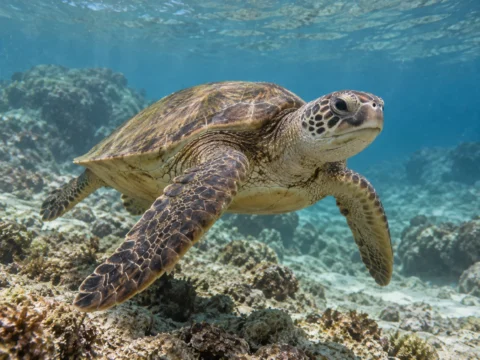
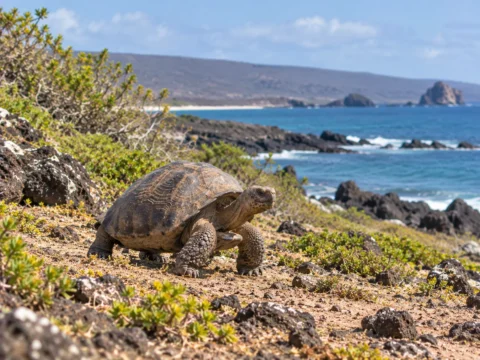
Habitat sorts these three faster than anything else. Turtles are the water animals, whether that is the open ocean for a leatherback or a muddy pond for a snapping turtle. Tortoises are the land animals, and a tortoise dropped into deep water will drown, because it cannot swim at all.
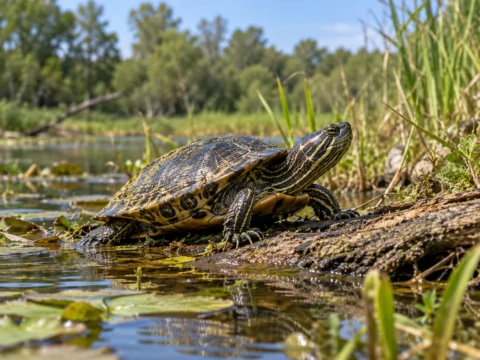
Terrapins occupy the narrow strip in between. The diamondback terrapin of the American east coast lives in salt marshes and tidal creeks, water that is neither fresh nor fully salt, and it is the only turtle in North America that specializes in that zone. It can drink fresh water off the surface after rain, which is part of how it copes.
Feet Tell You Where It Lives
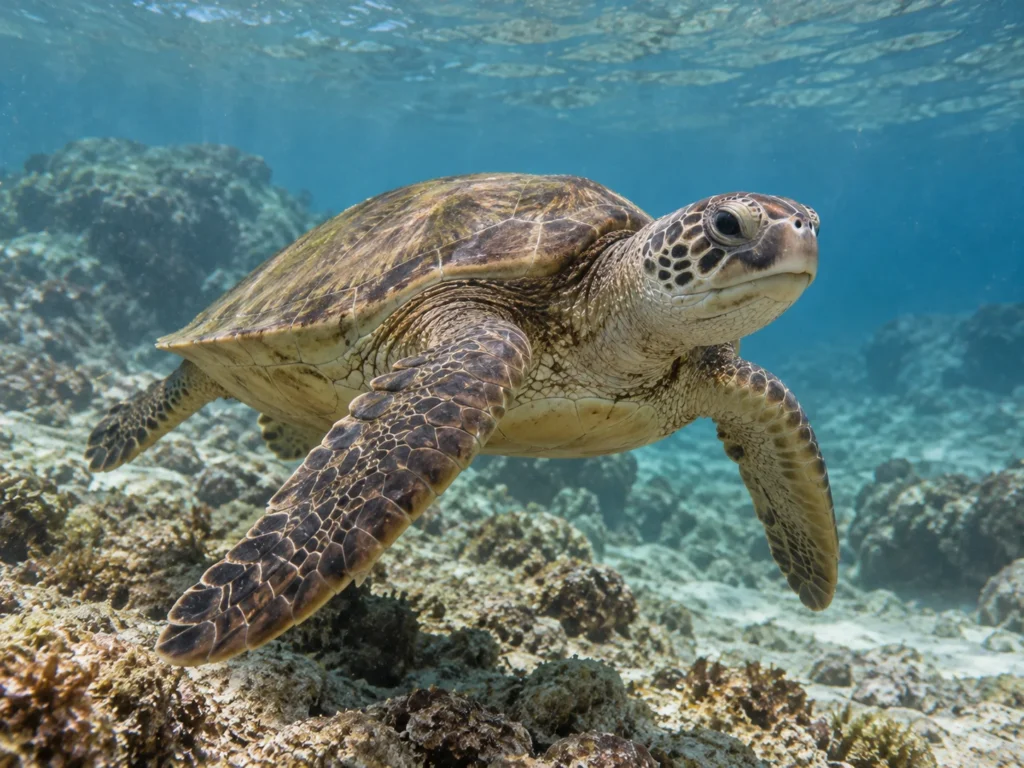
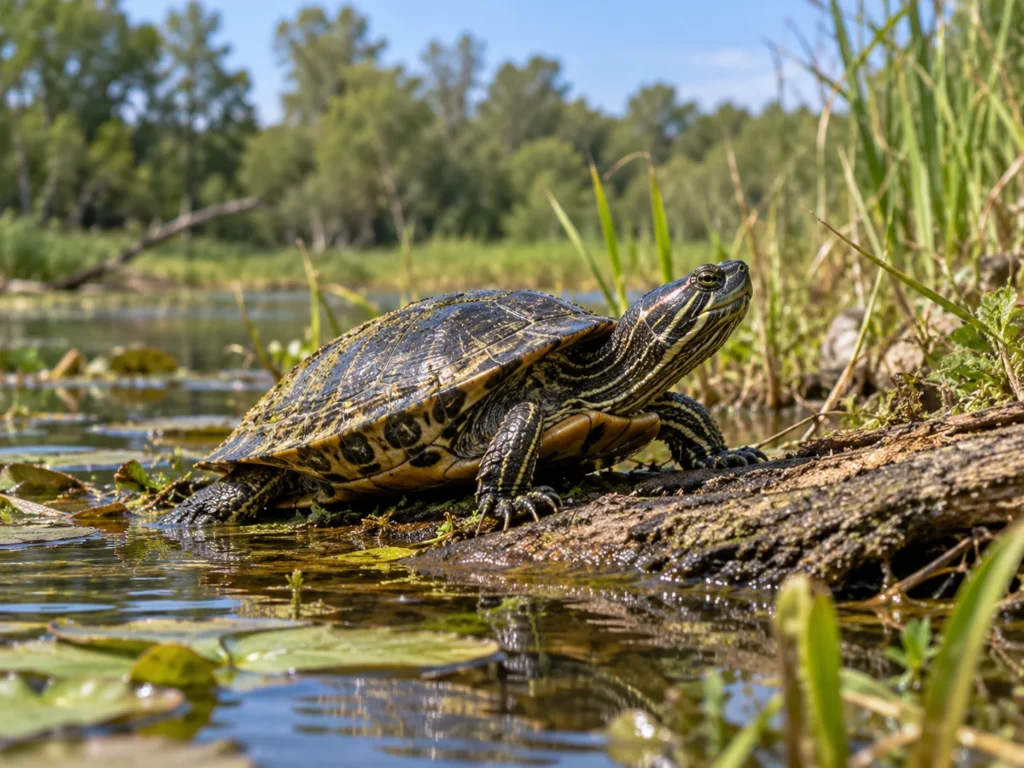
If you can see the feet you have your answer. A sea turtle’s front limbs are true flippers, long and flattened into paddles, and it flies through water the way a bird flies through air. Freshwater turtles keep recognizable feet but with wide webbing between the toes.
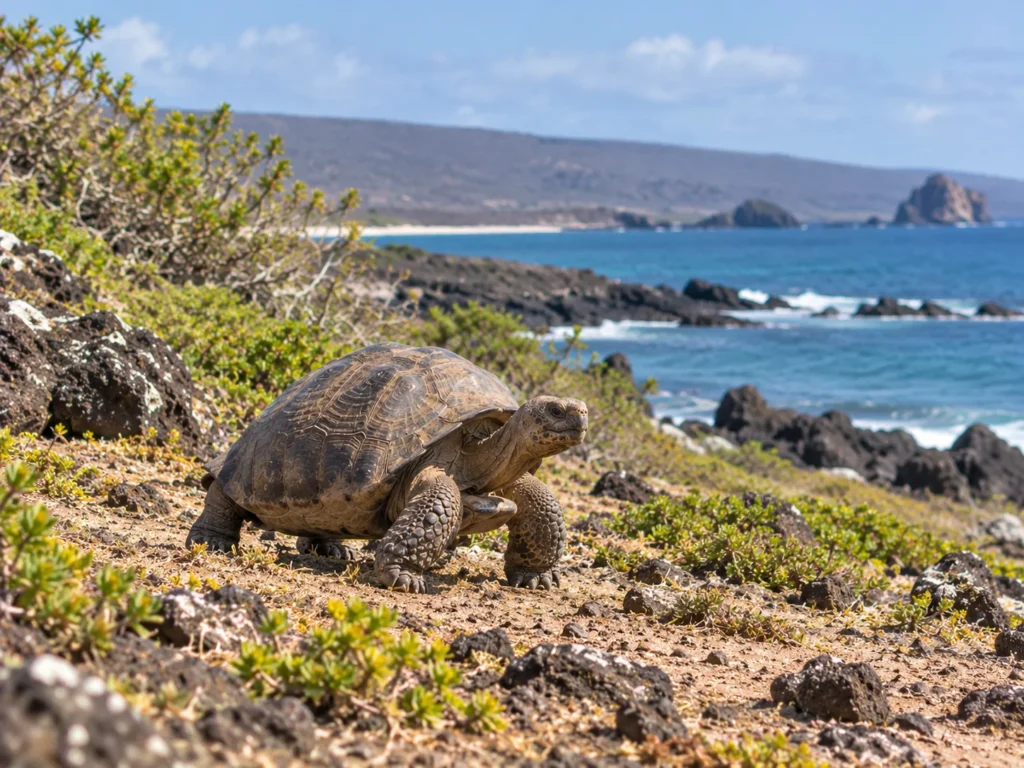
A tortoise has nothing of the kind. Its feet are round columns with short blunt claws, built to carry weight across dry ground, and on a Galapagos giant they look exactly like an elephant’s. A terrapin splits the difference with webbed feet that still carry strong claws, which it needs for gripping mud and climbing out onto a bank to bask.
Shells Built for Speed or for Safety
A turtle’s shell is low and smooth, because a tall shell in water is a brake. A sea turtle’s is almost teardrop shaped and many species cannot pull their heads inside it at all, having traded that protection for speed.
A tortoise carries the opposite design, a high dome that is very hard for a jaw to crush and very hard to flip. A tortoise can pull its head and all four legs inside and seal the gap with the armored fronts of its forelegs. On land, where you cannot outrun anything, the box is the whole strategy.
The Longest Lives on Earth
Tortoises outlive almost everything. Giant tortoises regularly pass a hundred and the oldest reliably documented individuals have reached well beyond a century and a half. Jonathan, a Seychelles giant tortoise living on Saint Helena, hatched around 1832 and is still alive.
Sea turtles can reach eighty or a hundred, though far fewer get there now. Terrapins are the short-lived ones of the three at around forty years, and they are the most threatened of the three as well, listed as Vulnerable, squeezed by crab traps, coastal roads and the loss of the marshes they depend on.
Why the Words Change Country to Country
Only one of these three words means anything scientific. Tortoises are a real family, Testudinidae. Turtle, used broadly, covers the whole order Testudines. Terrapin is not a scientific group at all, just a common name people apply to small freshwater and brackish-water turtles.
That is why the usage splits by country. An American calls a pond slider a turtle. A British speaker calls the same animal a terrapin and saves turtle for the ones in the sea. Australians use tortoise for some freshwater species that are not tortoises at all. Nobody is wrong, exactly, which is precisely the problem.