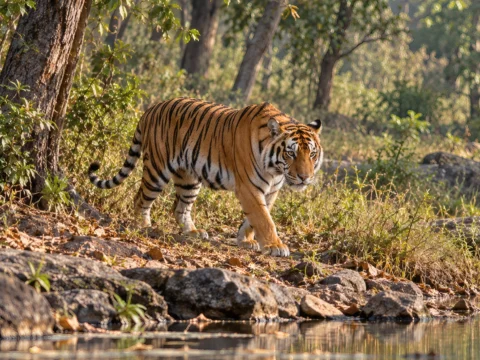
Carnivore, herbivore, omnivore or insectivore: every animal in the library is filed under the way it mostly eats. Here is what each diet means, how bodies are built for it, and which animals eat which way.
What all 188 animals eat
Herbivores 4323%
Omnivores 6937%
Carnivores 6836%
Insectivores 84%
The four diets
Meet the diets
Biggest first. Each card shows which groups of animals eat that way, with a few to start with.
Scientists have a word for almost every menu. In the library, these animals still sit under one of the four main diets.
Piscivores eat mostly fish. Kingfishers dive for them from a perch; penguins chase them underwater. Meet: Kingfisher, Penguin
Frugivores live mostly on fruit, and spread the seeds in their droppings as they go. Meet: Toco Toucan, Macaw
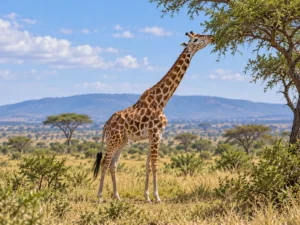
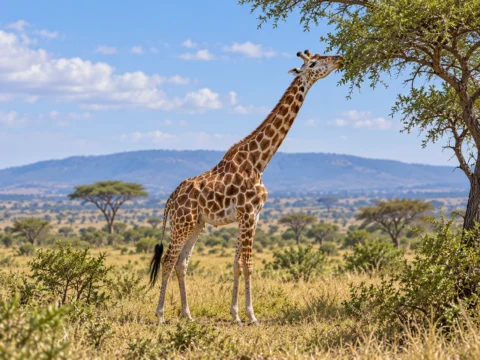
Folivores eat mostly leaves. Koalas eat almost nothing but eucalyptus. Meet: Koala, Giraffe
Nectarivores drink the sugary nectar inside flowers, and carry pollen from bloom to bloom. Meet: Hummingbird, Butterfly
Granivores eat seeds and grain, often cracking them with short, strong beaks. Meet: Sparrow, Pigeon, Quail
Scavengers eat animals that are already dead, cleaning up the landscape. Vultures are the experts. Meet: Vulture, Crow
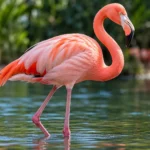
Filter feeders strain tiny food out of the water. Flamingos sieve it with their beaks; some whales use baleen plates. Meet: Flamingo, Minke Whale
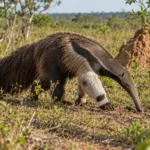
Ant and termite eaters have the scientific name myrmecophages. They dig into nests and lap up insects with long, sticky tongues. Meet: Aardvark
Good questions
Questions people ask
Is the giant panda a carnivore?
Not by diet. The Giant Panda belongs to the scientific group Carnivora, along with cats, dogs and other bears, but about 99 percent of what it eats is bamboo. It sometimes eats small animals or carrion, which is why it is listed here as an omnivore.
Do herbivores ever eat meat?
Now and then. Deer, cows and sheep have been seen eating bird eggs or chicks, probably for extra minerals their plant diet lacks. It is rare, so they are still herbivores.
Is an insectivore a kind of carnivore?
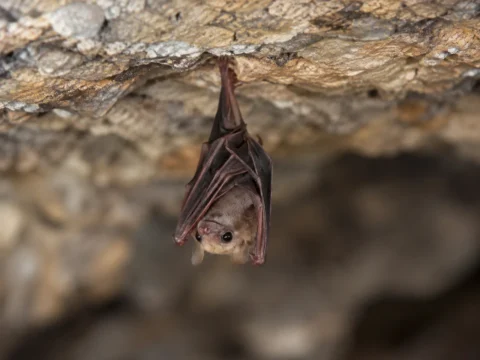
Yes, strictly speaking, since insects are animals too. Insectivores get their own group because catching lots of tiny prey takes special tools: sticky tongues, digging claws, or the echolocation that bats use to hunt in the dark.
What is an apex predator?
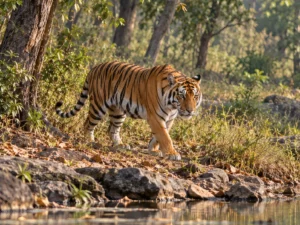
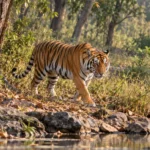
A hunter at the top of its food chain, with no natural predators once it is grown. Orcas, the tiger, the polar bear and the crocodile are examples. They keep the numbers of the animals below them in check.
Can an animal's diet change during its life?
Often. Many frog tadpoles graze on algae, while adult frogs eat insects. Many birds that eat seeds as adults feed their chicks insects, which are packed with protein for growing.
Are humans omnivores?
Yes. Our teeth have sharp-edged incisors and canines in front and flat molars behind, and our bodies can digest both plants and meat.