
Collection
Animals of the Night
Night belongs to animals built for it. Owls fly almost silently on fringed feathers, tarsiers have eyes so large they cannot move in their sockets, and fireflies make their own cold light to signal in the dark. This collection gathers the hunters, foragers and signalers that do their work after sunset, and the equipment that makes it possible.
All 24 animals in this collection, from the aardvark to the zorilla. Most of them live in Africa and Asia.
-
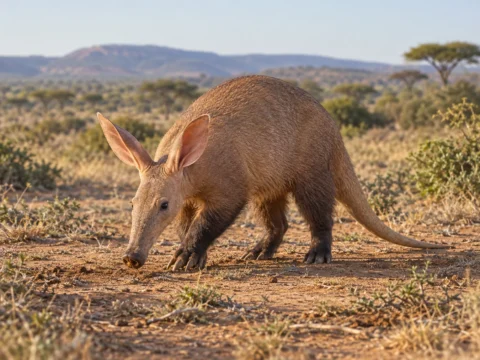 Aardvark
Orycteropus afer
Digs for termites at night, closing its nostrils to keep the dust out.
-
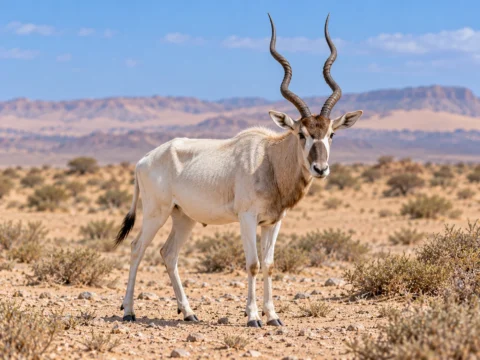 Addax
Addax nasomaculatus
Feeds after dark, when desert plants have soaked up dew and hold the most water.
-
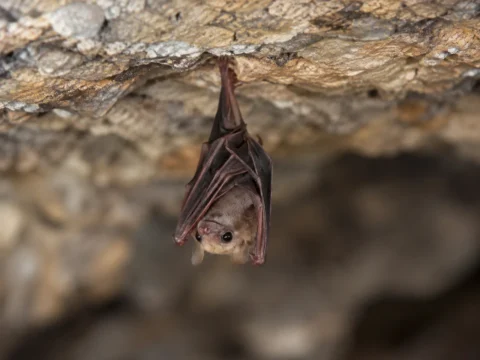 Bumblebee Bat
Craseonycteris thonglongyai
Hunts insects by echolocation, in bursts of about thirty minutes after dusk.
-
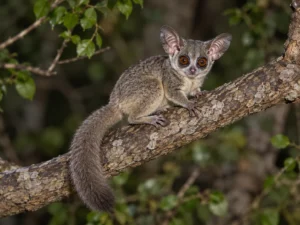
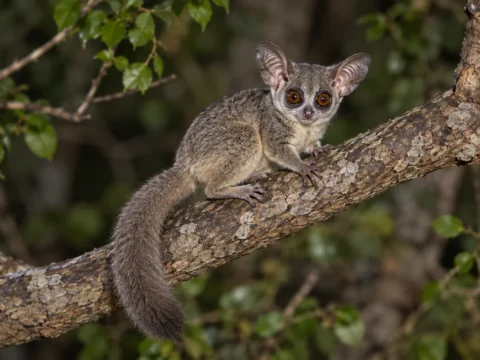 Bushbaby
Galagidae (family, about 18-20 species)
Hunts by ear in the dark, with ears that fold shut to protect them.
-
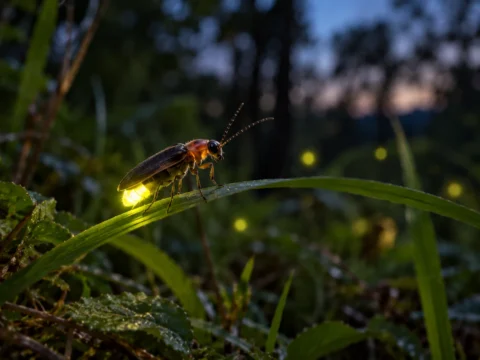 Firefly
Lampyridae (big dipper firefly: Photinus pyralis)
Cold light made in the abdomen, flashed in a pattern unique to its species.
-
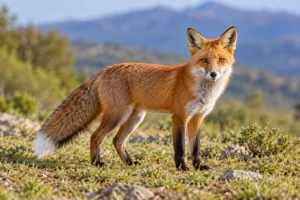
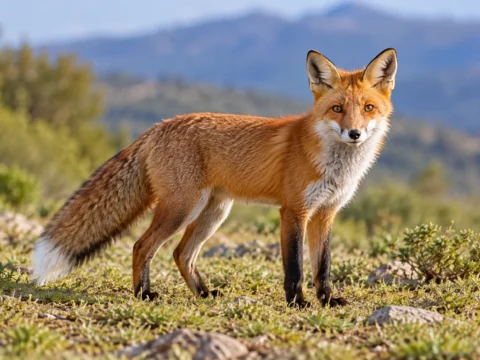 Fox
Vulpes and related genera (about 37 species)
The scream that wakes people at night is a vixen calling in the breeding season.
-
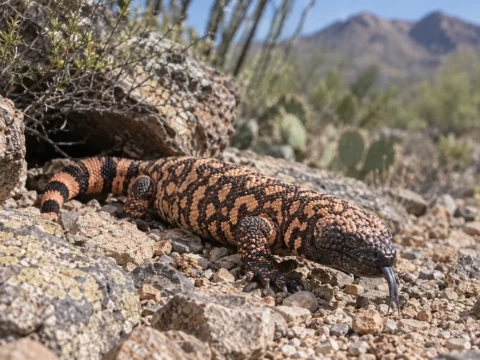 Gila Monster
Heloderma suspectum
Avoids the desert heat by moving at dusk and after dark.
-
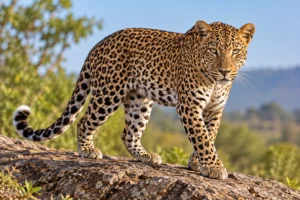
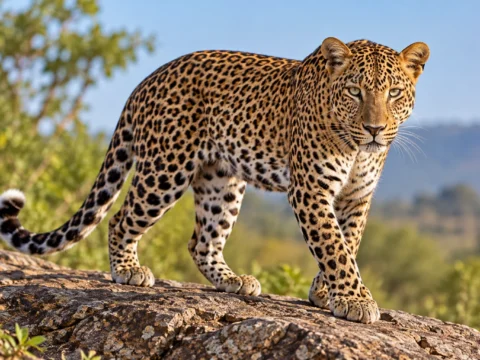 Leopard
Panthera pardus
It sees about seven times better than you do in the dark, and hunts on the edge of Mumbai unnoticed.
-
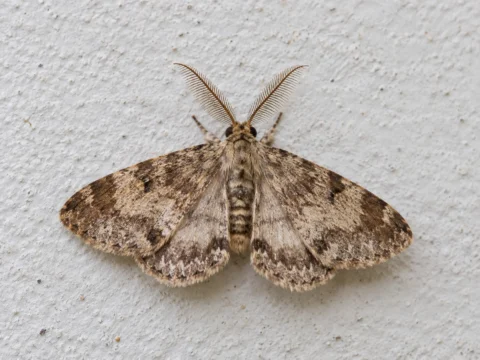 Moth
Lepidoptera, excluding butterflies (about 160,000 species)
Tastes the air with feathered antennae that can find a mate over a mile away.
-
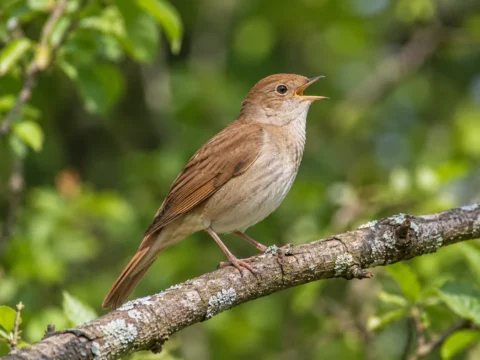 Nightingale
Luscinia megarhynchos
The males singing after dark are unmated. Once a female accepts him, he stops.
-
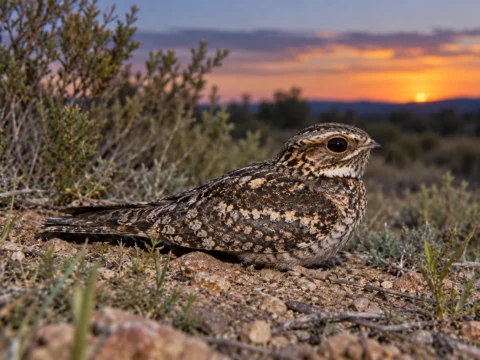 Nightjar
Caprimulgidae (family); figures from Caprimulgus europaeus
Hunts flying insects by sight after dark, and feeds twice as hard by moonlight.
-
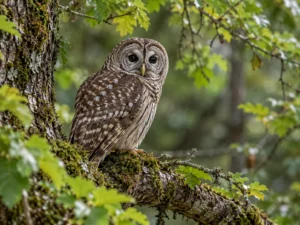
 Owl
Strigiformes (order, about 250 species)
Fringed flight feathers break up the air, so its wingbeats make almost no sound.
-
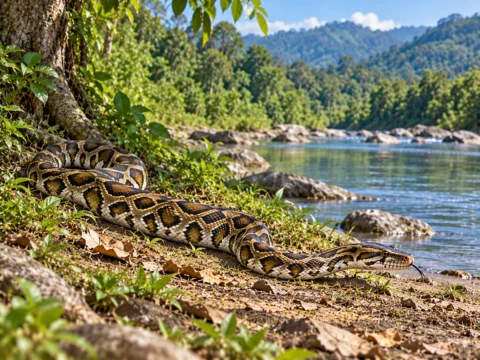 Python
idae (family, about 40 species)
Pits along its lips sense heat, so it can find and strike prey in total darkness.
-
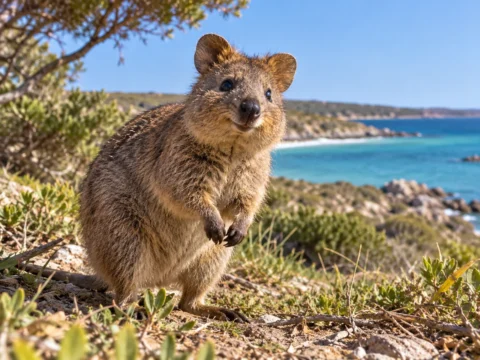 Quokka
Setonix brachyurus
Feeds through the night and sleeps the day out under spiky scrub.
-
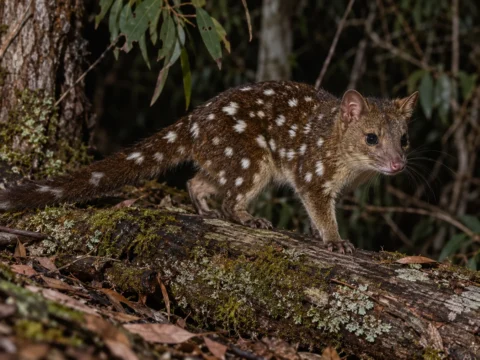 Quoll
Dasyurus (genus, six species)
Hunts after dark and spends the day in a den, preferring rock to hollow wood.
-
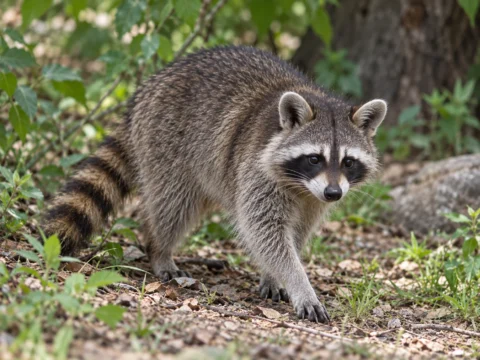 Raccoon
Procyon lotor
Reads the dark by touch, with paws among the most sensitive of any mammal.
-
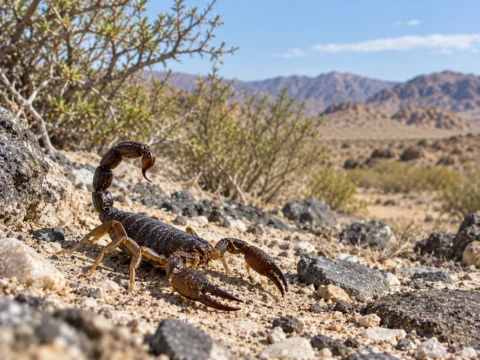 Scorpion
es (emperor scorpion: Pandinus imperator)
Glows blue-green under ultraviolet light, for reasons still being argued over.
-
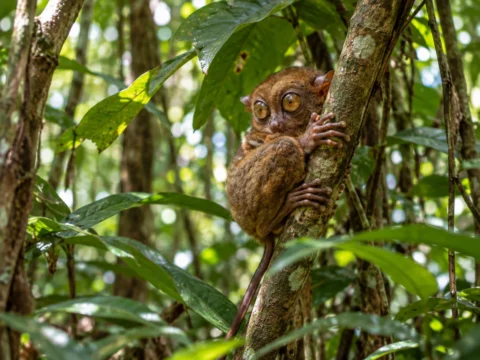 Tarsier
Tarsiidae (family, about 13-20 species)
Eyes too large to move in their sockets, so it swivels its whole head instead.
-
 Vampire Bat
Desmodus rotundus
Hunts in the dark up to five miles from the roost, finding veins by body heat.
-
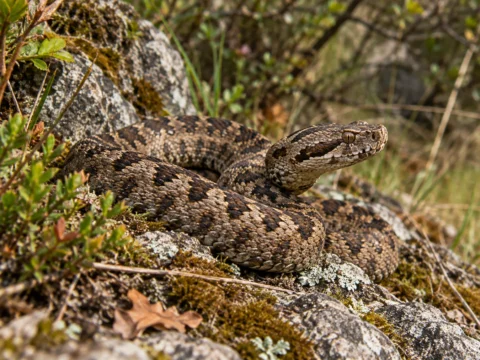 Viper
Viperidae (family, more than 300 species)
Most vipers ambush after dark, and pit vipers find prey by its body heat.
-
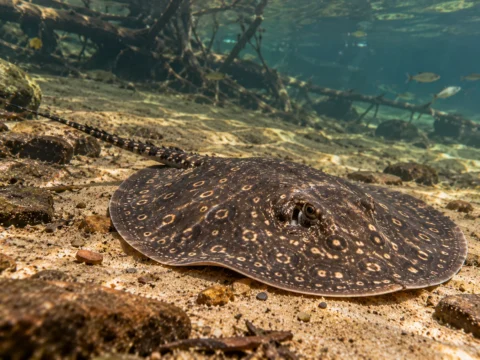 Xingu River Ray
Potamotrygon leopoldi
Lies buried in sand through the day and hunts the riverbed after dark.
-
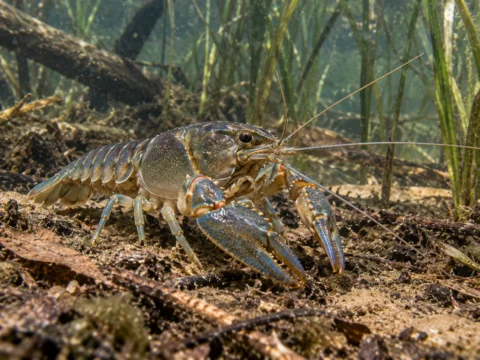 Yabby
Cherax destructor
Feeds after dark, working through the algae and dead plant matter on the bottom.
-
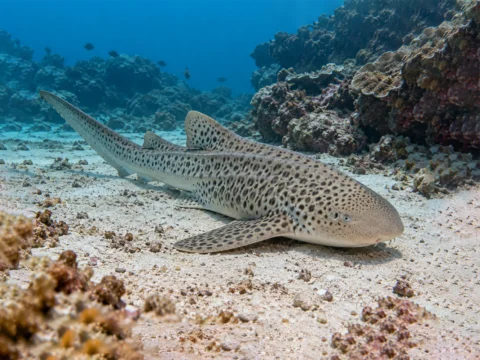 Zebra Shark
Stegostoma tigrinum
Hunts at night and spends the day lying on the reef floor where the current runs fast enough to breathe for it.
-
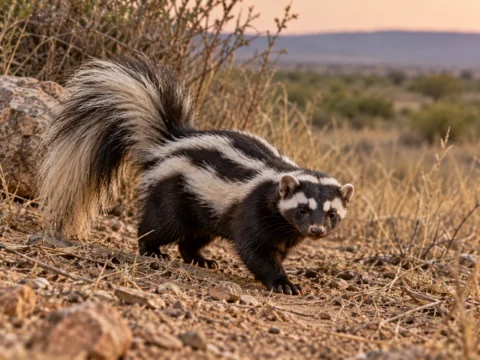 Zorilla
Ictonyx striatus
Hunts insects and rodents after dark and spends the day in a burrow, which is why so few people ever see one.
No animals match those filters.