Every animal in the library belongs to one of a handful of big groups. Here is what makes each group different, what its members eat, and how to tell them apart.
Animals
188
Types
8
With a backbone
172
Without one
16
The groups
Meet the groups
Biggest group first. Each card shows what the group eats and a few animals to start with.
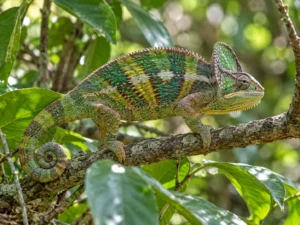
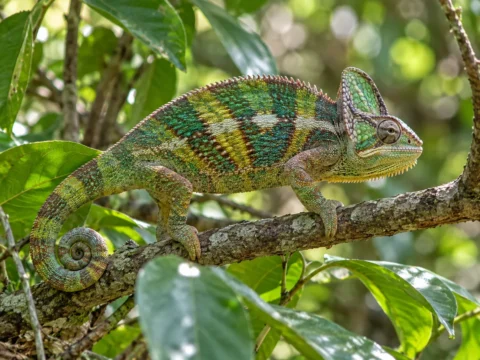
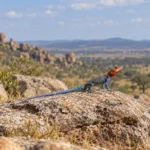
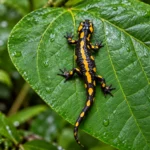
Cold-blooded animals take their body heat from their surroundings. That is why lizards bask in the sun in the morning.
Quick rule: mammals, birds, reptiles, amphibians and fish all have a backbone, so they are called vertebrates. Everything else is an invertebrate, and invertebrates make up the vast majority of animal species on Earth, about 95 percent or more. Our library leans toward the animals people ask about most, which is why it has more mammals and birds than nature does.
Your turn
Can you sort them?
Use what you just learned. We show you an animal; you pick its group.
?
Guess the group!
We show you an animal, you pick its group. Ten quick questions: how many can you get right?
Diet by group
What each group eats
Each number is how many animals in that group eat that way. Tap one to see them.
No. Whales and dolphins are mammals. They breathe air through a blowhole, make their own body heat and feed their calves milk. Fish breathe through gills. Meet the Sperm Whale and the Minke Whale.
Is a bat a bird?
No. Bats are mammals, and the only mammals that can truly fly. Their wings are skin stretched over long finger bones, and they have fur, not feathers. The Bumblebee Bat is one of the smallest.
Is a spider an insect?
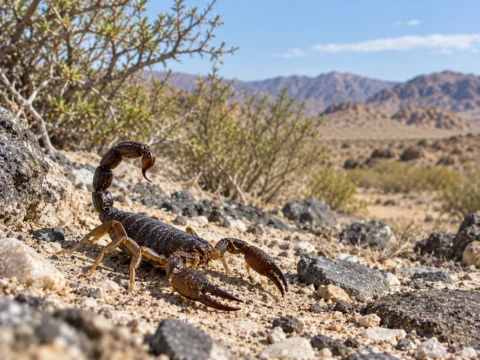
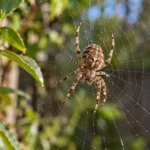
No. Spiders are arachnids, like the Scorpion: eight legs, two body parts and no antennae. Insects have six legs, three body parts and a pair of antennae.
Are turtles amphibians?
No. Turtles and tortoises are reptiles. They have dry, scaly skin, breathe with lungs from the day they hatch and lay their eggs on land. Even sea turtles crawl up a beach to nest. Amphibians, like the frog, start life in water with gills.
Are starfish and jellyfish fish?
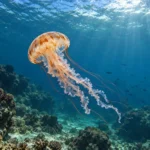
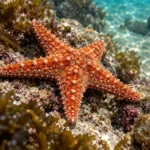
No, despite the names. The Starfish (also called a sea star) and the Jellyfish are invertebrates with no backbone. Sea stars are related to sea urchins, and jellyfish to corals.
Is a penguin a bird if it can't fly?
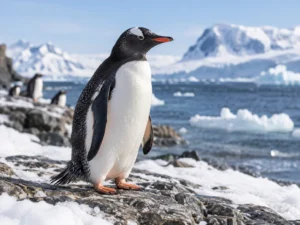
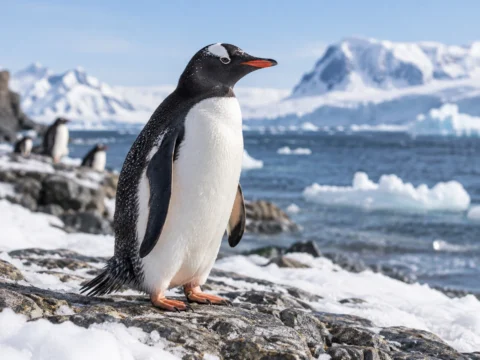
Yes. The Penguin has feathers and a beak and lays hard-shelled eggs, which makes it a bird. Its wings became flippers for swimming. The Ostrich and the Emu can’t fly either.
Which group has the most species?
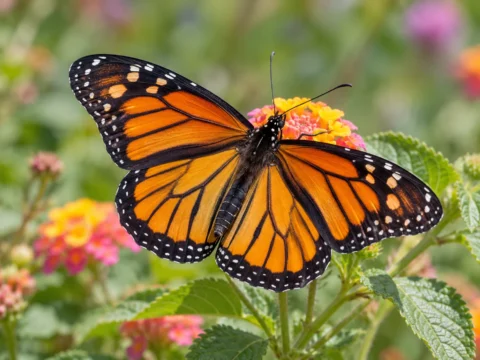
Insects, by a long way. Scientists have described about a million kinds so far, more than all other animals put together, and many more are still waiting to be named.