The Bare Head Has a Reason
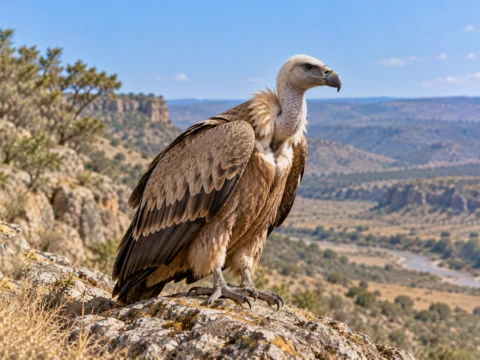
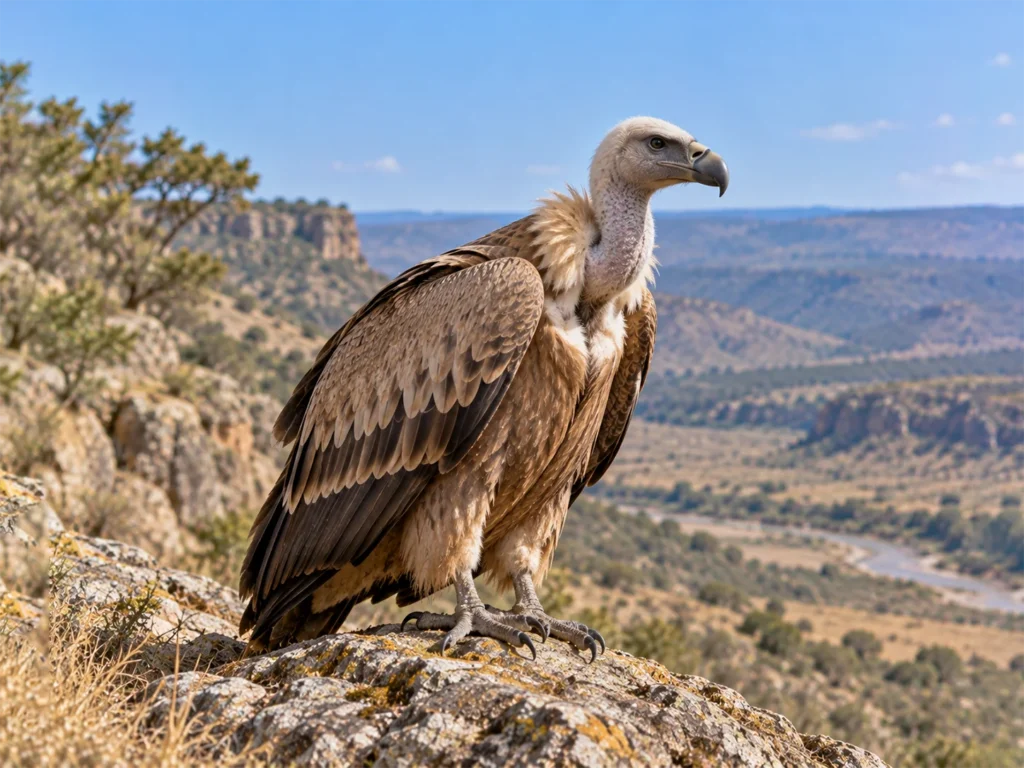
A vulture feeds by pushing its head deep inside a carcass, and feathers in that situation would trap blood and rotting tissue against the skin. Bare skin dries out and the sun finishes the job, so a featherless head is a hygiene measure, not an accident of ugliness.
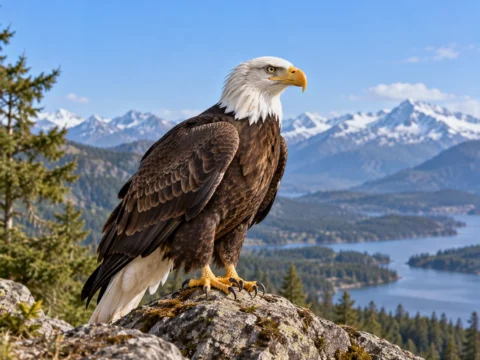
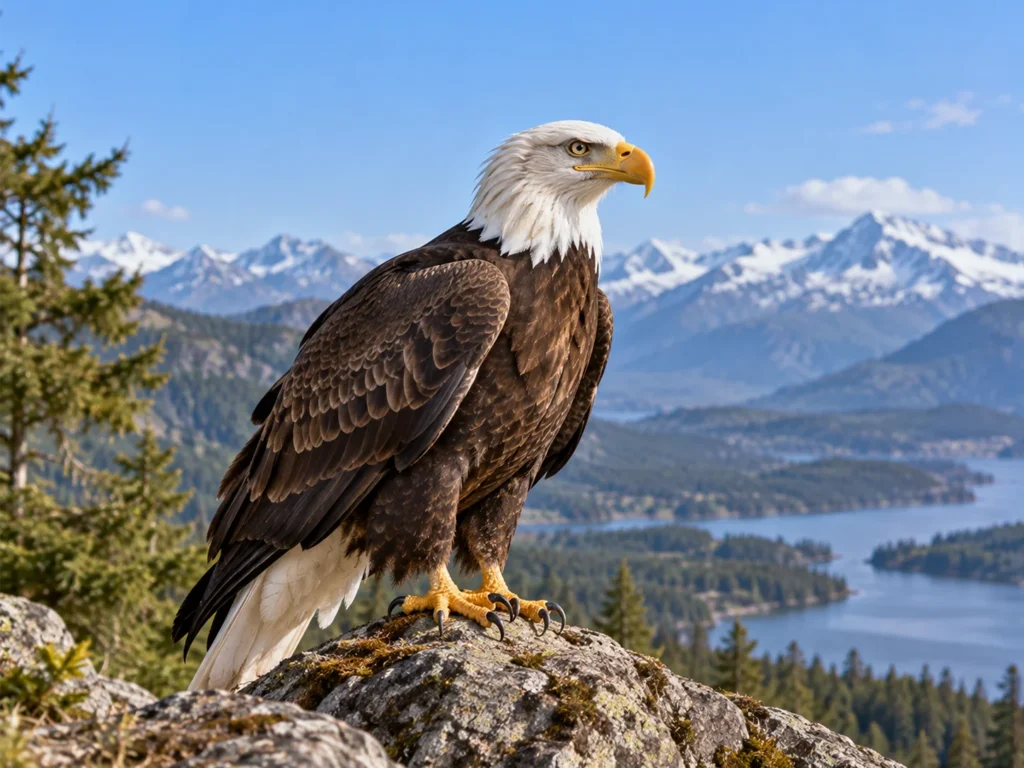
It does more than that. Vultures regulate their temperature through that bare skin, tucking the head down against the body in the cold and stretching it out in the heat. An eagle, which tears pieces off the outside of fresh prey, never needs any of this, so its head stays fully feathered, often in a crisp pattern like the white hood of a bald eagle.
Feet Tell You How the Bird Eats
An eagle kills with its feet. The talons are long, curved and driven by tendons strong enough that a large eagle grips with several times the force of a human hand, and the back talon works like a spike. It has to hold an animal that is struggling.
A vulture’s feet are almost disappointing up close: flat, blunt, with short claws, better for walking around a carcass than for carrying anything. Most vultures cannot lift food at all and have to eat where they find it. That single fact drives most of their behavior, including why they gather in crowds and squabble.
Hunters and Cleaners
An eagle hunts. Depending on the species that means fish lifted off the surface, rabbits and hares taken on open ground, or in the case of the harpy eagle, monkeys and sloths pulled out of rainforest canopy. Eagles will also take carrion when it is going, and bald eagles do so often, so the line is not absolute.
Vultures are specialists at the other end. They find dead animals, and the turkey vulture does it by smell, which is rare in birds and lets it locate a carcass under forest canopy that no eye could see. Their stomach acid is strong enough to destroy anthrax, botulism and cholera, so they eat things that would kill almost anything else.
Two Kinds of Vulture, Not One
Old World vultures live in Africa, Europe and Asia and are genuine relatives of eagles, sitting in the same family, Accipitridae. New World vultures live in the Americas, include the turkey vulture and the two condors, and belong to a separate family altogether.
They came to look alike because the job shaped them the same way, which biologists call convergent evolution. The differences are still there if you know where to look. New World vultures have a good sense of smell and Old World ones mostly do not. New World vultures cool themselves by urinating down their own legs, which no Old World vulture does.
Why Vultures Matter More Than People Think
India found this out the hard way. Through the 1990s its vulture population collapsed by more than 95 percent, poisoned by diclofenac, a painkiller given to cattle that proved lethal to any bird that fed on the body afterwards. Three species fell to the edge of extinction in under a decade.
The carcasses stayed where they fell. Feral dog numbers rose, rabies cases rose with them, and the cleanup that vultures had been doing free of charge for centuries turned into a public health problem. The drug is now banned for veterinary use and the birds are slowly recovering. It is the clearest demonstration anyone has of what a scavenger is actually worth.