One Is a Bear, the Other Is Not
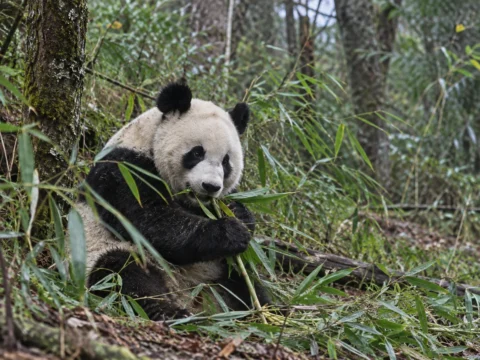
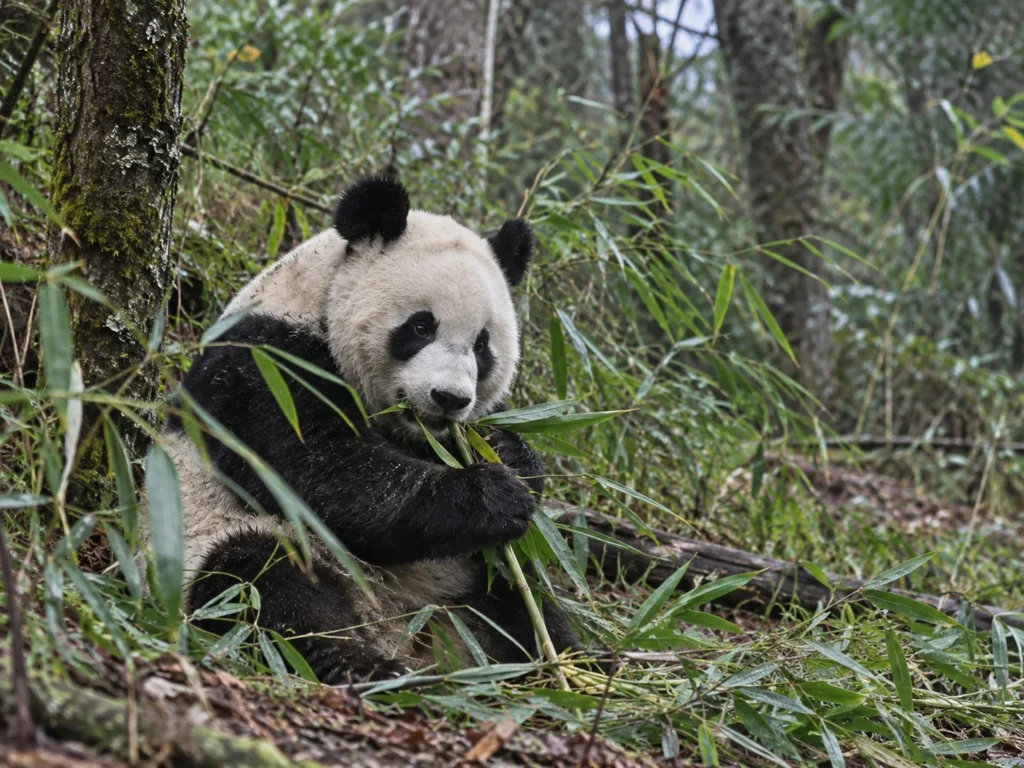
The giant panda is a bear, settled by DNA after a long argument, and it sits in Ursidae with the brown bear and the polar bear. It has a bear’s skull, a bear’s build and a bear’s walk.
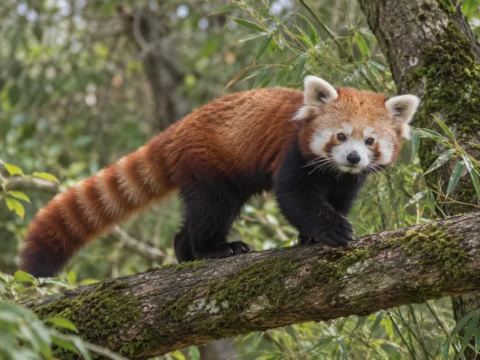
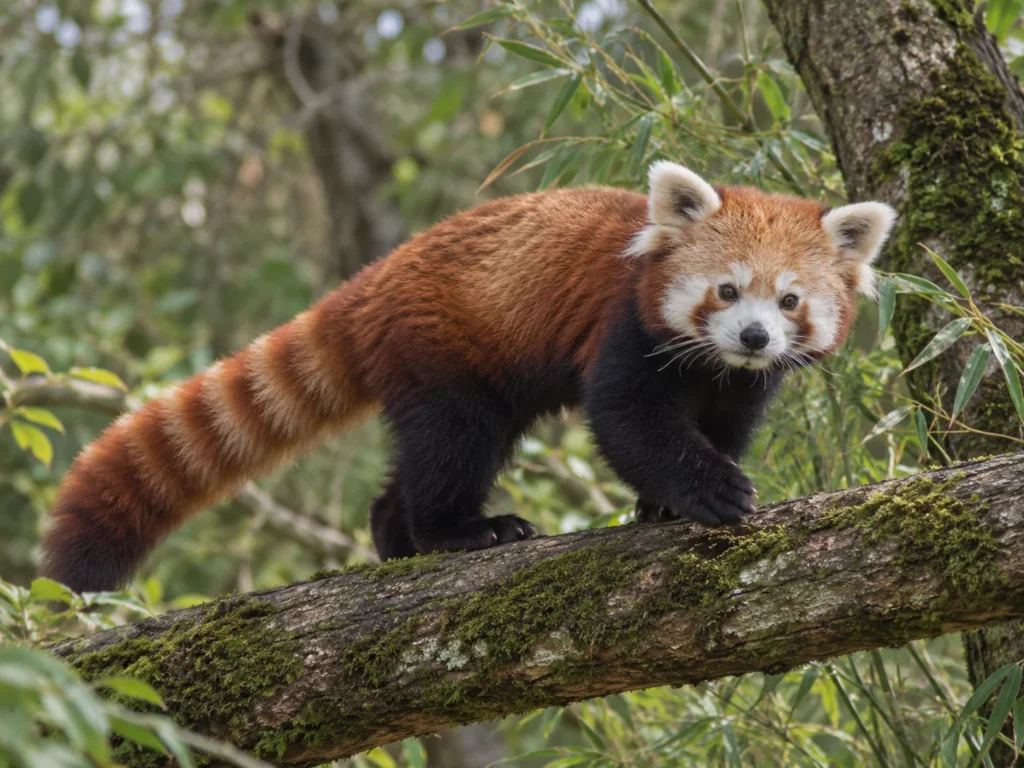
The red panda is not a bear, and it is not a raccoon either, though it was filed under both for years. It is the only living member of Ailuridae, a family with no other survivors. Its nearest relatives are the weasels, skunks and raccoons, which puts it a very long way from the giant panda. The two last shared an ancestor more than forty million years ago.
Two Animals That Both Chose Bamboo
Here is the strange part. Both animals descend from meat eaters, both kept the short, simple gut of a carnivore, and both then built their entire lives around a plant that gut cannot digest well.
They pay for it in volume and in time. A giant panda works through 26 to 84 pounds of bamboo a day and spends up to fourteen hours doing it. A red panda eats a smaller quantity but is fussier, taking only the youngest leaves and shoots, and it still spends most of its waking hours feeding. Neither can afford to waste energy, which is why both move so slowly and sleep so much.
The Thumb That Is Not a Thumb
Both animals grip a bamboo stem using what looks like a thumb, and in neither case is it one. It is an enlarged wrist bone, the radial sesamoid, pushed out into a pad that works against the real fingers. Two animals from completely different branches of the carnivore family arrived at the same solution to the same problem.
The red panda’s version appears to be older, and there is a reasonable argument that it first evolved for climbing and was later borrowed for food. Either way it is one of the cleanest examples of convergent evolution anyone can point to, which is part of why these two animals kept getting classified together.
Up a Tree or On the Ground
Red pandas live upstairs. They sleep in trees, often stretched flat along a branch with legs hanging down, and they come to the ground mainly to move between them. The long ringed tail is a balance aid, and in cold weather it wraps around the animal as a blanket. Their ankles rotate, so they can climb down a trunk head first, which most climbing mammals cannot do.
Giant pandas live downstairs. Cubs climb well and adults can still manage it, but a 250-pound animal eating a plant that grows at ground level has little reason to. An adult panda spends its day sitting upright in a bamboo thicket, which is a posture almost no other bear adopts and the reason pandas look so oddly human when feeding.
Who Got the Name First
The red panda was described by Western science in 1825 and was simply called the panda. The giant panda did not reach Western science until the 1860s, and it was named for its resemblance to the animal already holding the title. The word panda probably comes from a Nepali name for the red one.
The larger animal then took over the name completely, and the original had to add red to keep hold of it. That is also roughly how the attention has gone since. The giant panda is Vulnerable and improving, backed by one of the most expensive conservation programs ever run. The red panda is Endangered and declining, with fewer than ten thousand thought to be left.