
WWF Explained: The Panda, The Work, And The Criticism
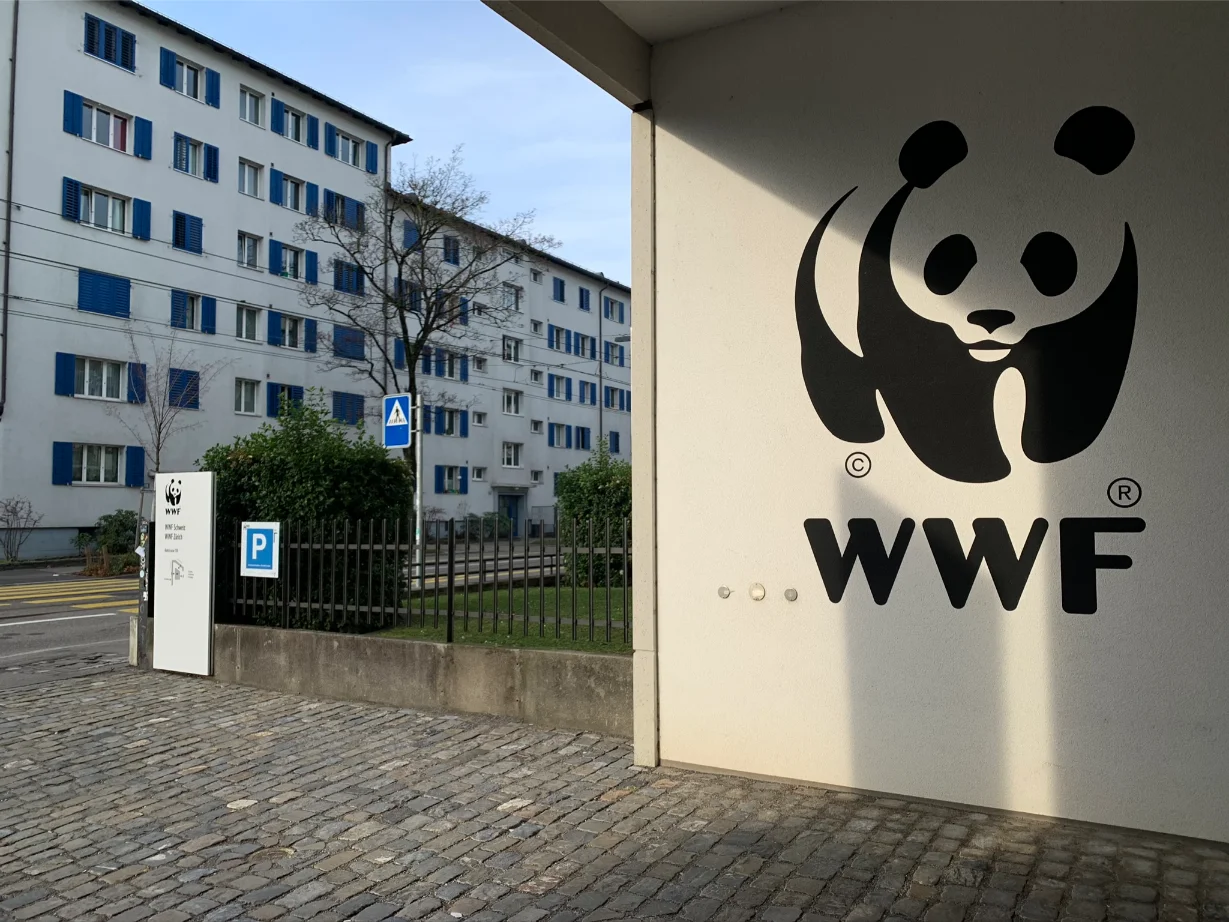
The panda on the WWF logo was a real animal. Chi Chi arrived at London Zoo in 1958, the only giant panda in the Western world at the time, and when conservationists founded the World Wildlife Fund in 1961 they wanted a symbol that would be recognizable in any language and would print cheaply in black and white.
Sixty years later it is one of the most recognized logos on earth, and the panda it was drawn from is the reason a great many people can name any conservation organization at all.
This is a look at what WWF actually does, what it has achieved, and the criticisms it has faced, because an organization that large deserves a fuller account than a logo.
What WWF Is
WWF was founded on 29 April 1961 in Morges, Switzerland, by a small group including the biologist Julian Huxley, the ornithologist Peter Scott, who drew the panda, and the businessman Victor Stolan, who argued that conservation needed serious money rather than good intentions.
It now works in around 100 countries and is one of the largest conservation organizations in the world, with several thousand staff and an annual income in the hundreds of millions.
One naming detail causes confusion. In 1986 the organization changed its name to World Wide Fund for Nature in most countries, keeping World Wildlife Fund in the United States and Canada, because its work had broadened well beyond wildlife. Everyone kept saying WWF regardless. It then lost a legal dispute over the initials with the World Wrestling Federation, which is why the wrestling organization is now called WWE.
What It Actually Does
Most people picture fundraising appeals. The work is broader and considerably less visible:
- Protected areas. WWF has been involved in establishing and funding national parks and reserves across Africa, Asia and Latin America, including a long involvement in the Amazon protected areas program.
- Species recovery programs, usually in partnership with national governments, covering tigers, rhinos, elephants, gorillas, pandas and marine turtles.
- Monitoring and reporting. The biennial Living Planet Report is its most influential product, and its headline figure, an average decline of around 70 percent in monitored vertebrate populations since 1970, shapes a great deal of public discussion.
- Wildlife trade work through TRAFFIC, which it runs jointly with IUCN, tracking the illegal movement of animals and animal parts.
- Policy and industry pressure, negotiating with palm oil, timber, soy and seafood companies on sourcing standards, and lobbying at international conventions.
Its single clearest win is probably the giant panda. Decades of work with the Chinese government on reserves and habitat corridors contributed to the panda being reclassified from Endangered to Vulnerable in 2016. The organization’s own emblem got better, which is a neat outcome and also a genuine one.
The Criticisms, Stated Plainly
Any organization this size attracts criticism, and some of it is substantial enough that leaving it out would be dishonest.
Human rights in protected areas. In 2019, reporting alleged that anti-poaching rangers funded by WWF in parts of Africa and Asia had been involved in serious abuses against local and Indigenous people. An independent review commissioned by WWF found the organization had not done enough to prevent or respond to such abuses, and it has since adopted stronger safeguards. The underlying tension is real and has not gone away: fortress conservation, which protects land by excluding the people who live on it, has a long and often ugly record.
Corporate partnerships. WWF takes money from and partners with large companies, including some in extractive and agricultural industries. Supporters argue that changing how a major palm oil buyer sources its product does more good than campaigning from outside. Critics argue it buys those companies reputational cover and softens WWF’s positions.
The 70 percent figure. The Living Planet Index is frequently misreported as meaning the world has lost 70 percent of its animals. It does not mean that. It is an average rate of change across monitored populations, and a handful of catastrophic local declines pull the average down sharply. Scientists have debated how it should be calculated and presented. The underlying message, that wildlife is in steep decline, is not in dispute; the specific number is more fragile than headlines suggest.
How To Help, Usefully
If you want to support conservation, a few things are worth knowing.
Adopting an animal does not mean a specific animal is yours. It is a donation to general program funds with a soft toy attached, which is a perfectly reasonable way to fund conservation as long as you know that is what it is.
Small local organizations often get more conservation per pound than large international ones, because they have lower overheads and work in places they know. Large organizations are better at the things that need scale: policy, international treaties and monitoring.
Regular small donations are more useful than occasional large ones, because they let an organization plan and pay salaries, and anti-poaching patrols are mostly a payroll problem.
And the least glamorous options are among the most effective: supporting habitat protection rather than individual charismatic species, and backing the groups that work on the species nobody puts on a logo.
Why The Panda Mattered
Peter Scott reportedly chose a panda partly because it was cheap to print. That decision turned out to shape conservation in a way nobody intended.
A logo that appealing made wildlife protection something a general public would fund, which is where the money for a great deal of conservation has come from ever since. It also helped entrench the idea that conservation means saving appealing large mammals, when most of what holds ecosystems together is small, unphotogenic and unfunded.
Both of those are true at once, and it is a fair summary of the organization: enormously effective at making people care, and still arguing with itself about what caring should be spent on.
Keep Reading
More from the blog
-
 Conservation Why Florida’s Manatees Starved, And What Conservation Got Wrong
More than 1,100 manatees died in Florida between 2020 and 2022, and they starved. Nutrient pollution fed algal blooms, the blooms…
-
 Conservation An A To Z Of Endangered Animals, And What Is Actually Killing Them
An A to Z of endangered animals, each with the specific thing threatening it. What comes out is a list where famous species are…
- Conservation How India Doubled Its Tigers: What Conservation Actually Looks Like In 2006 India counted its tigers properly for the first time and found 1,411, not the 3,600 it had been claiming. What happened…